Tank Work
Tanks That Keep Water Pressure Steady
Crawfordsville Plumber works on the tanks that hold a home’s water system steady: expansion tanks on water heaters, pressure tanks on private wells, and storage tanks for backup or rainwater. Trouble shows as pressure that spikes or sags, a well pump that clicks on and off constantly, a relief valve that drips, or seepage at the fittings, and none of it improves with time.
Census figures show about three in ten homes in Crawfordsville, IN were built before 1940, so older piping and valves are often part of the job. A tank should be sized to the system, its air charge matched to the water pressure and its valves fitted correctly, whether that means swapping a dead expansion tank, sorting out a waterlogged well tank or tying a storage tank into the plumbing.
Tank Services
Water Tank Jobs We Cover
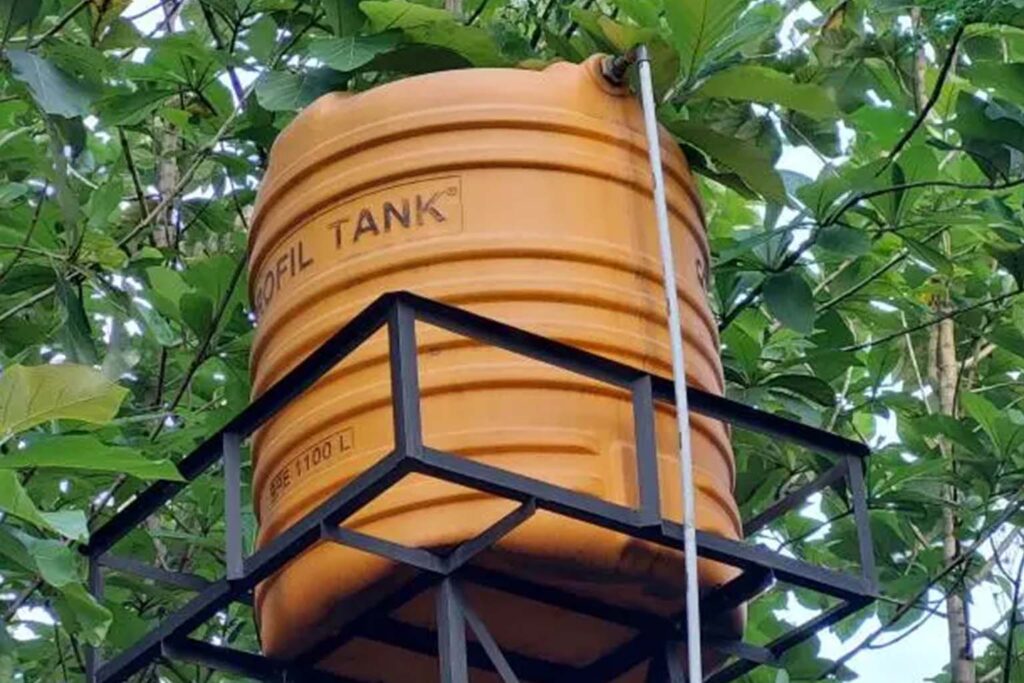
Fitting a New Water Tank
Expansion, well pressure and storage tanks, each sized to the water heater, the pump or the amount of water the house uses.
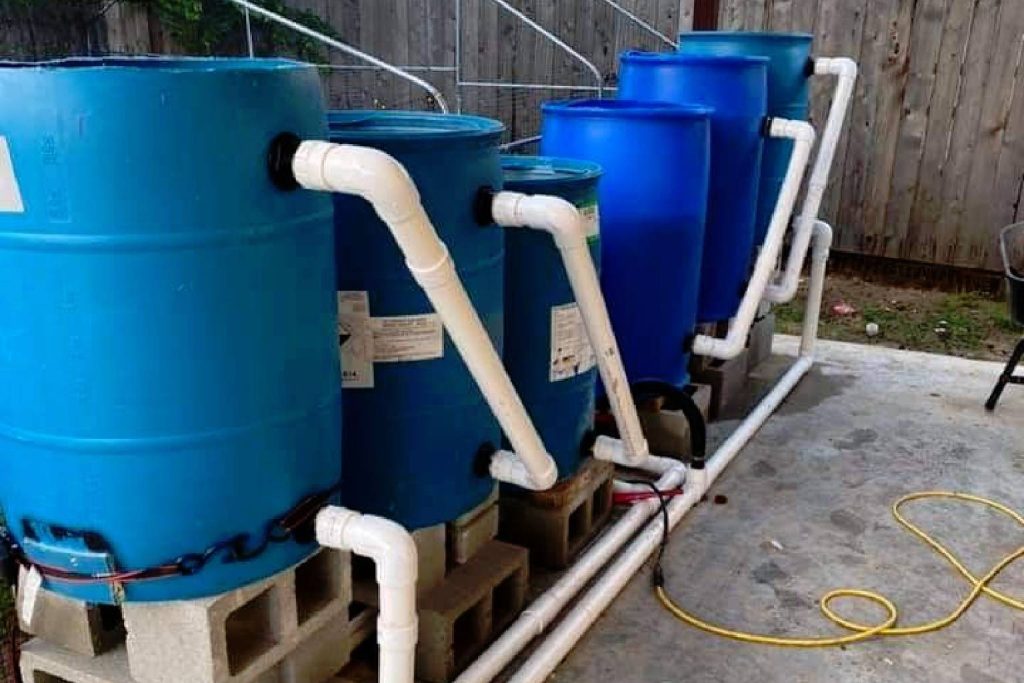
Swapping a Worn Tank
A rusty, leaking, waterlogged or too-small tank gets replaced with one of the right type and capacity for the system.
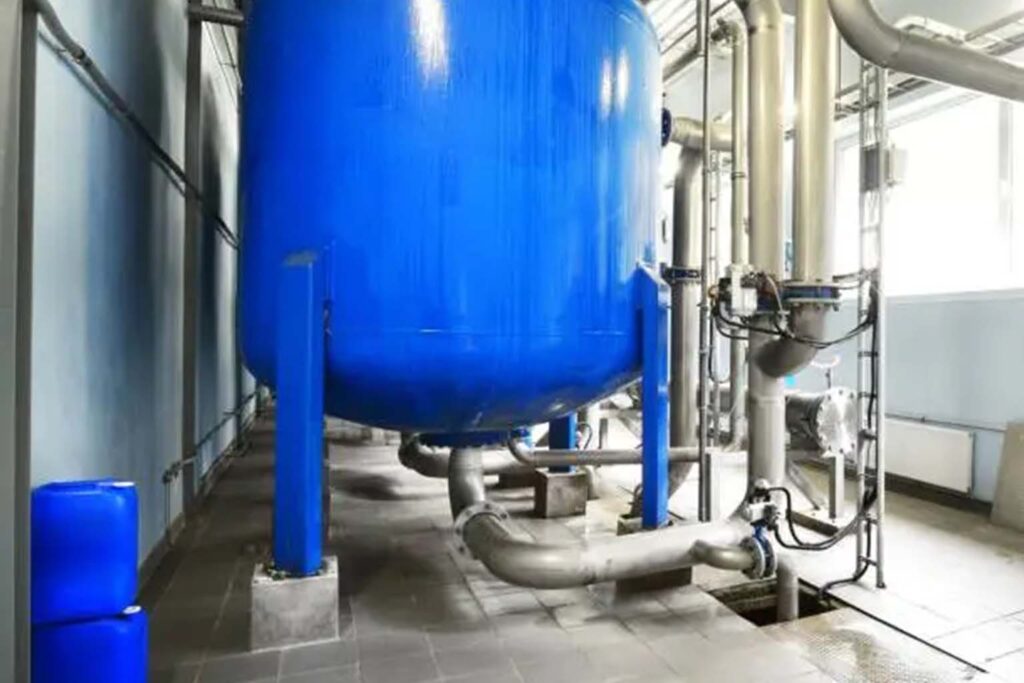
Expansion Tank Checks
Testing and adjusting the air charge, changing out tanks that have failed and curing a relief valve that weeps each time the heater fires.
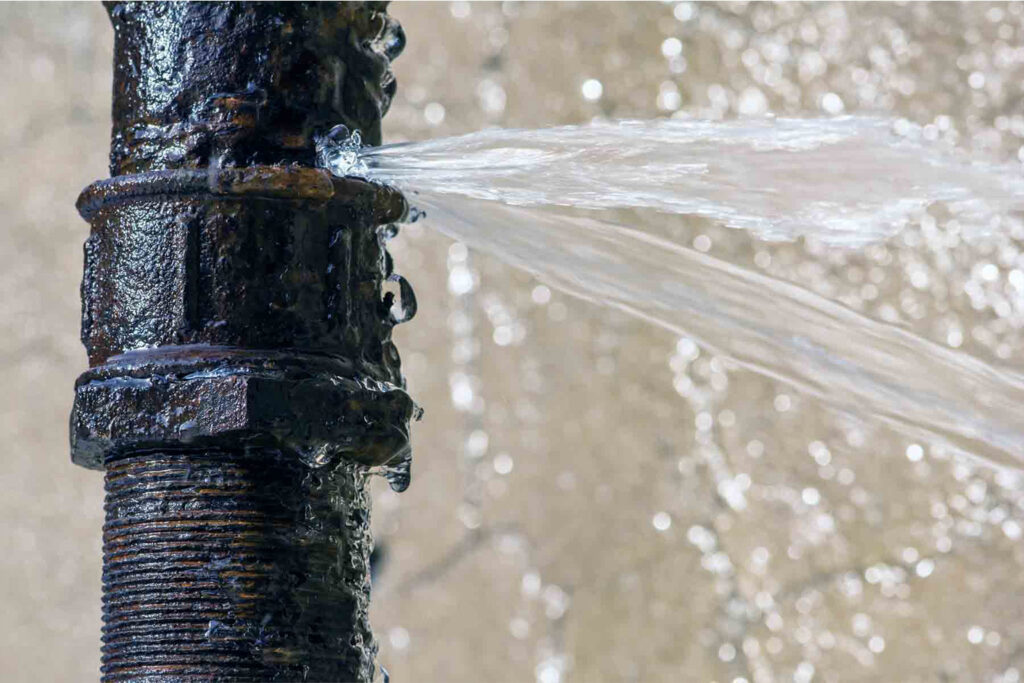
Fixing Leaks
Leaks at the shell, the inlet and outlet joints, fittings or valves are stopped before water stains a floor or soaks a wall.
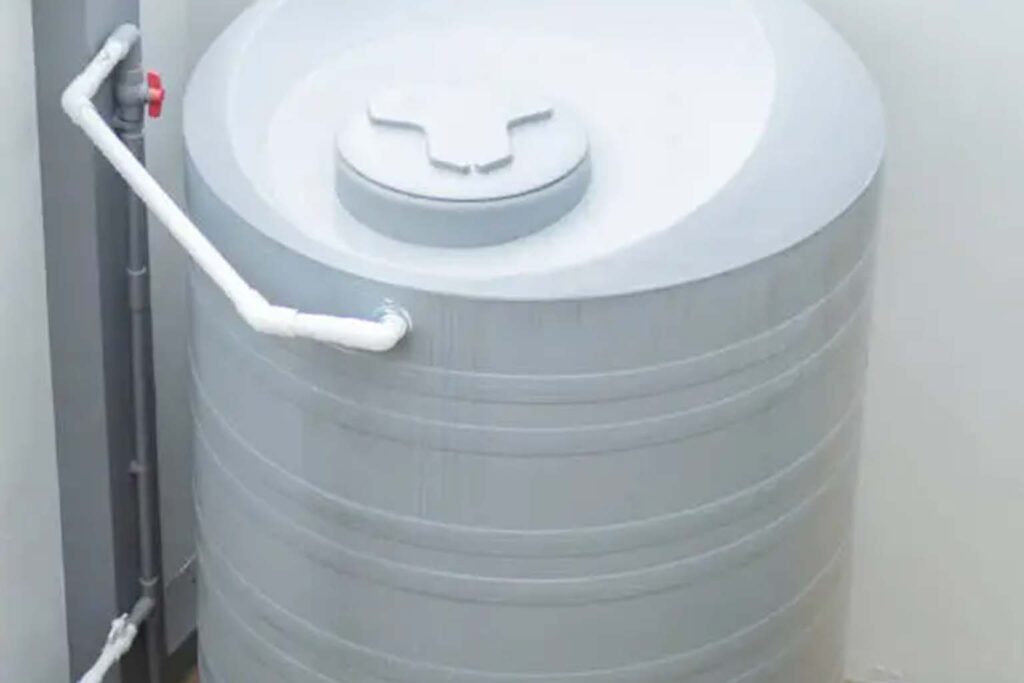
Well Tank Troubleshooting
Sorting out tanks full of water, a pressure switch set wrong and pumps that cycle so often they burn out before their time.
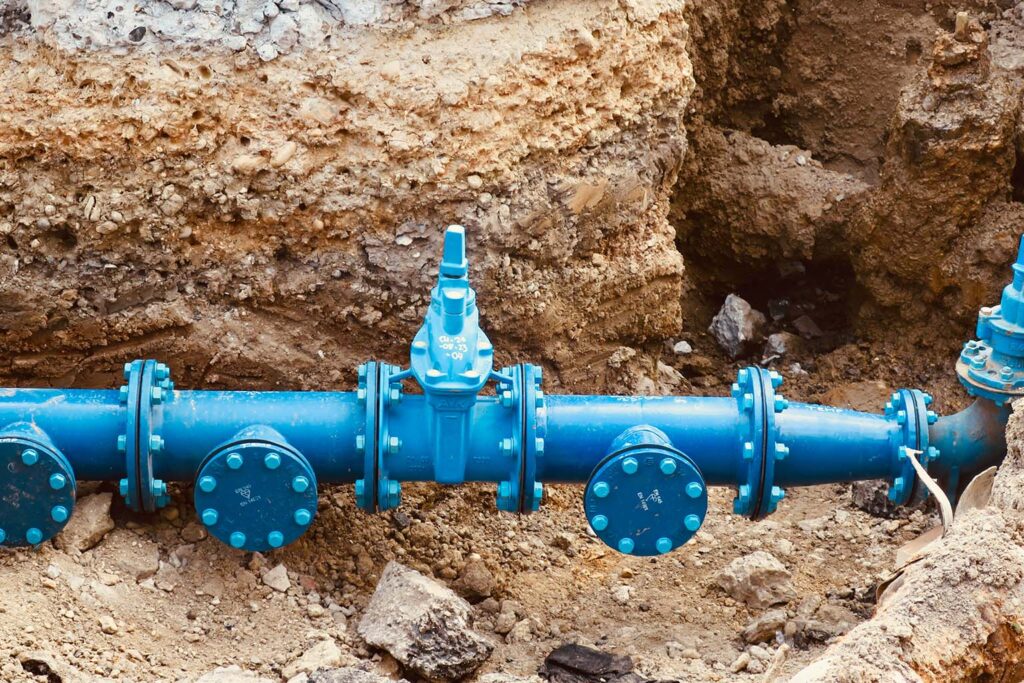
New Pipes, Valves and Gauges
Corroded or tired piping, shutoff valves, gauges and supports around the tank can all be renewed.
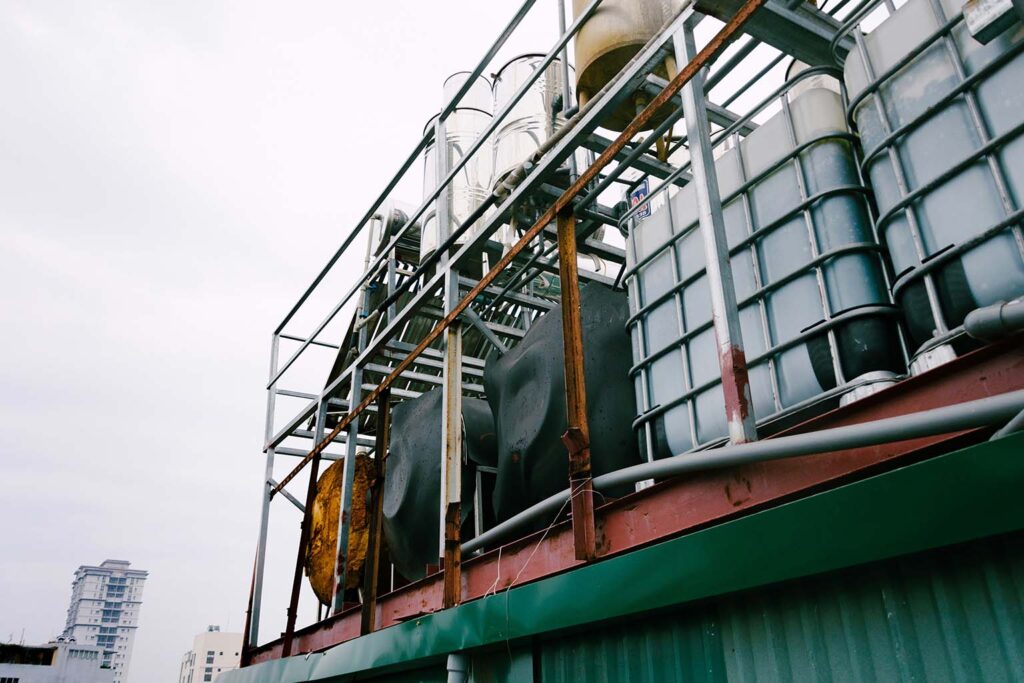
Hooking Up Storage Tanks
Linking backup or rainwater tanks to the house plumbing, along with the pump, filtering and backflow protection each one calls for.
Before You Hire
Hiring Crawfordsville Plumber for Water Tank Repairs

By the Manufacturer's Book
Tanks should be sized, mounted and connected the way the maker specifies, and the system run and checked for leaks afterward.

Close to Home
Service covers homes throughout Crawfordsville, IN, which makes a return visit simple if one is needed.

Cause, Not Symptom
Whether it is one dead expansion tank or a whole well tank swap, the aim is to fix what caused the fault.

Straight Answers
Get help picking the tank size and style that suits your heater, your well or your storage plans.

A Tidy Utility Room
Ask how floors get protected and what shape the work area will be left in when the job ends.
Describe the noise, the pressure or the leak you are dealing with, and the advice can fit your own system.
Issues
Water Tank Faults Worth a Call
- Water seeping at joints
- A relief valve that drips or sprays
- Pressure that spikes, then sags
- A well pump that clicks on and off nonstop
- Rust on the tank shell
- Pressure tanks full of water
- Pipes that knock or hammer
- Expansion tanks too small or dead
- A tank that keeps losing pressure
When a tank is giving you trouble, the next step is tracking down why and setting it right.
Local service area
Where Water Tank Service Is Offered Near Crawfordsville, IN
Tank work is offered in these places:
Common Tank Questions
Tank Questions
What is an expansion tank for?
Heating water makes it swell. When the plumbing is closed off, that added volume has no place to go, so pressure climbs on the pipes, the valves and the heater. An expansion tank holds an air cushion that soaks up the extra water, keeping pressure even across the system and the relief valve on the heater dry.
What are the symptoms of a failed expansion tank?
Knock on it. A healthy tank rings hollow toward the top; a waterlogged one sounds solid from end to end. Other clues are a dripping relief valve on the heater, pressure that jumps while it fires, and water spitting from the tank’s air valve.
How can I spot a failing well pressure tank?
Short cycling is the usual giveaway: with a faucet open, the pump kicks on and off every few seconds. Pressure may also pulse at the tap, the gauge may swing up and down quickly, or the tank itself may show rust and sweat on its shell.
Why is the relief valve on my heater leaking?
Usually pressure building as the heater runs, which happens when the expansion tank has failed or was never fitted. A worn valve can also be the culprit. Get it looked at either way, because that valve is there to keep the heater safe.
What shortens a pressure tank's life?
Water quality, pressure settings and how often the pump cycles all play a part. A tank in an unheated pit or shed also sits through about 140 days a year with a freezing low here, so keep it protected.
Is swapping a tank a DIY job?
It can be, but the system must be drained, the air charge set to your pressure and each joint sealed, and one slip can flood a room. If you hire it out, look the plumber up with the Indiana Plumbing Commission; a journeyman there needs four years of apprenticeship or trade work.
How is an expansion tank sized?
By the capacity of the water heater and the pressure coming into the house. A plumber measures both and picks a tank to suit; too small and pressure still climbs, too large and you pay for capacity you will never use.
Is an expansion tank required on a water heater?
If a check valve or pressure-reducing valve on the main line has closed off your plumbing, you most likely do, and plumbing codes commonly call for one when a water heater goes in. Ask the plumber to check how your system is set up.
What makes a well pump cycle so often?
Most often the pressure tank has lost its air or its bladder has torn, so it can’t hold water under pressure anymore. A bad pressure switch can do the same. If it carries on, the constant starting and stopping wears the pump out.
What kind of water tank suits my house?
That comes down to the job. Expansion tanks guard water heaters on closed systems, bladder pressure tanks pair with private wells and polyethylene tanks are the common pick for storage above ground. The right type follows from how the tank will be used.
What goes into the price of a new tank?
The kind and size of tank, how hard it is to get to and whether pipes or valves need changing on the same visit all shape the figure. Ask for a written, itemized price before any of the work begins.
Must a storage tank rest on a concrete slab?
Not every time, but the base must be solid and level, since an uneven one strains the tank. If you dig for a pad or a buried line, Indiana’s 811 law, enforced by the Indiana Utility Regulatory Commission, gives utilities two full working days to mark theirs.